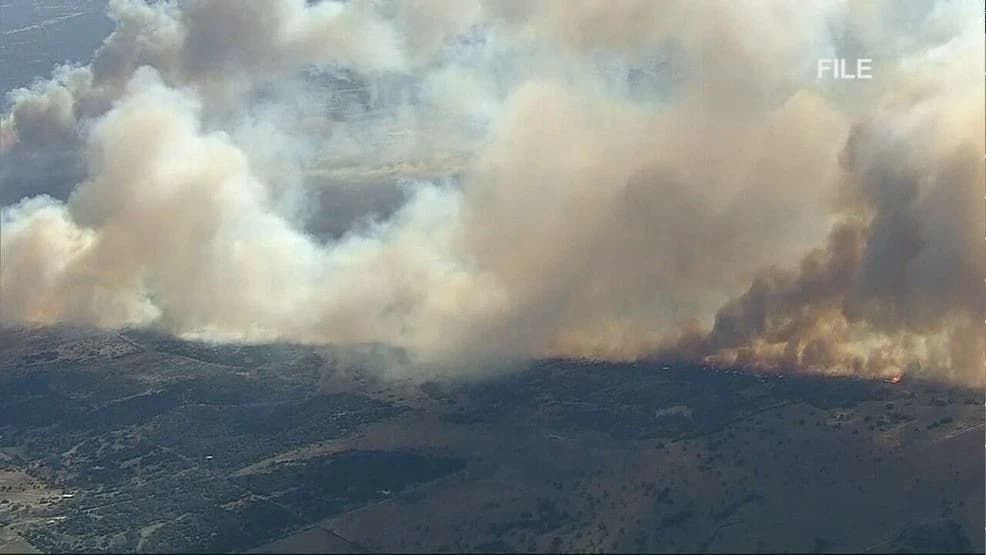
With Oregon facing what state leaders say could be another difficult wildfire season, questions are emerging about whether major changes inside the U.S. Forest Service could eventually impact how quickly fires are detected and attacked across the West.
“All indications suggest a more challenging fire season ahead of all of us,” said Oregon Governor Tina Kotek on May 5 during a wildfire briefing.
The warning comes after a historically warm winter, low snowpack levels, and worsening drought conditions across parts of Oregon.
At the same time, the Forest Service is undergoing major national restructuring efforts, including consolidating research facilities and closing its nine regional offices nationwide.
Thousands of employees have also left the agency in recent months through early retirements, buyouts, and resignations.
The changes have prompted concerns from Oregon’s congressional delegation and wildfire officials about the long-term impacts on wildfire readiness and response.
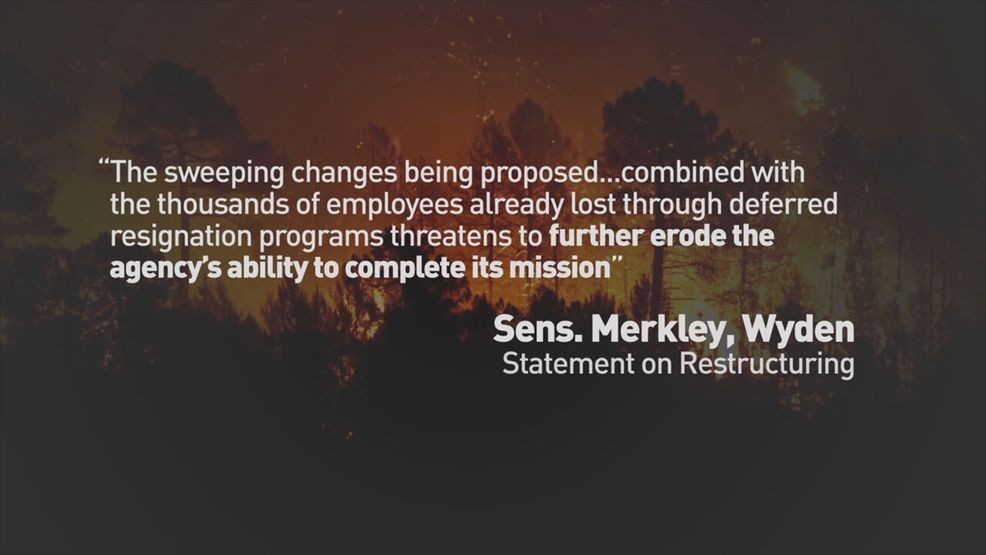
Oregon braces for a severe wildfire season as Forest Service restructuring raises long-term concerns over staffing and rapid response capacity. (KATU)
In a recent letter, Oregon lawmakers warned the restructuring could “further erode the agency’s ability to complete its mission.”
“Further reductions in staffing, combined with improperly severing wildfire management from land stewardship, will undermine the agency’s capacity to manage landscapes proactively," Oregon Senator Jeff Merkley wrote to Department of the Interior leaders.
Still, federal firefighters and local fire leaders say they do not expect major disruptions to wildfire response this season.
“I think there’s just a growing amount of apprehension about what it’s gonna look like on the ground level in a couple of years’ time,” said Kieran Evans, a Type 2 Initial Attack Crew squad leader with the Forest Service.
Evans said most of the changes so far have happened at higher administrative levels and that he expects little to no change to how federal firefighters respond to wildfires this year.
In a statement to KATU News, the Forest Service said wildfire operations remain fully intact.
“The Forest Service’s fire readiness and response remain unchanged, and our operational firefighters and aviation resources continue to support wildfire response,” the agency said.
Lucas Mayfield, a spokesperson for Grassroots Wildland Firefighters who spent 19 years with the Forest Service, said even if a ranger station were to close, wildfire response would still continue through regional dispatch systems and mutual aid agreements.
“While an office may be closed, firefighters will still be on,” Mayfield said.
However, Mayfield said there are still broader questions about long-term staffing and capacity across the western United States as wildfire seasons become more severe.
“I think there’s a staffing and a capacity discussion that is happening and needs to continue to happen across the western United States,” he said.
Here in Oregon, state and local fire leaders say coordination with federal partners has remained strong so far.
Oregon State Forester KC said earlier this month the state remains in close contact with the Forest Service and does not currently anticipate reductions in wildfire response services.
“We do not anticipate reductions in services,” KC said during the wildfire briefing.
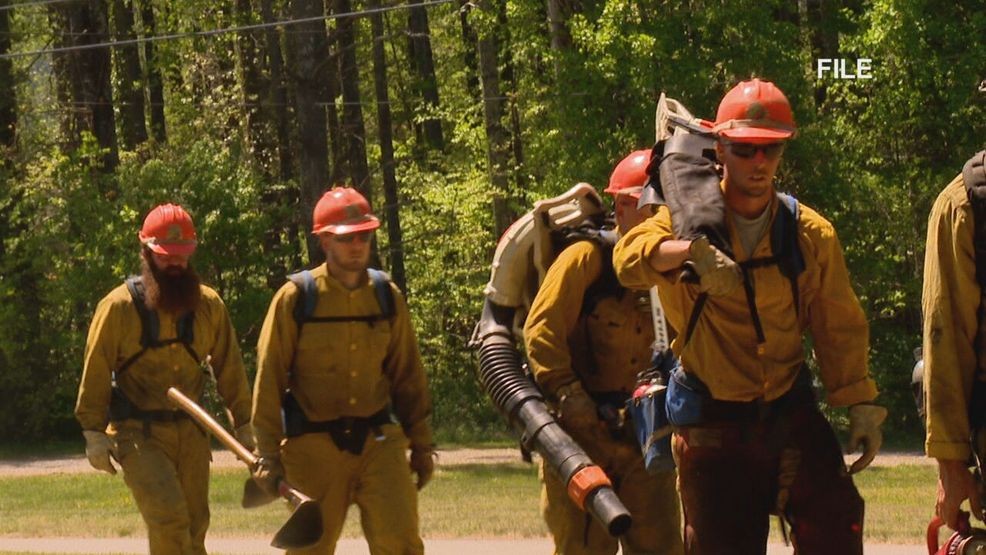
Oregon State Forester KC said earlier this month the state remains in close contact with the Forest Service and does not currently anticipate reductions in wildfire response services. (KATU)
In the Columbia River Gorge, where fast-moving wind-driven fires remain a constant concern, local fire agencies say federal partners continue to play a critical role in the region’s mutual aid system.
“Those federal partners have not seen staffing cuts this year, and we’re crossing our fingers that it stays that way because they’re a very important part of the mutual aid system that we have here,” said David Jensen, chief of Mid-Columbia Fire & Rescue.
Jensen warned that the Gorge remains especially vulnerable to large fires this season.
“The Gorge, especially in The Dalles area and east of Mosier, is ready to burn,” said Jensen
While Jensen said local and federal crews would still respond to fires even if staffing levels changed in the future, he said the bigger challenge could come if agencies struggle to quickly scale up resources during rapidly growing fire events.